
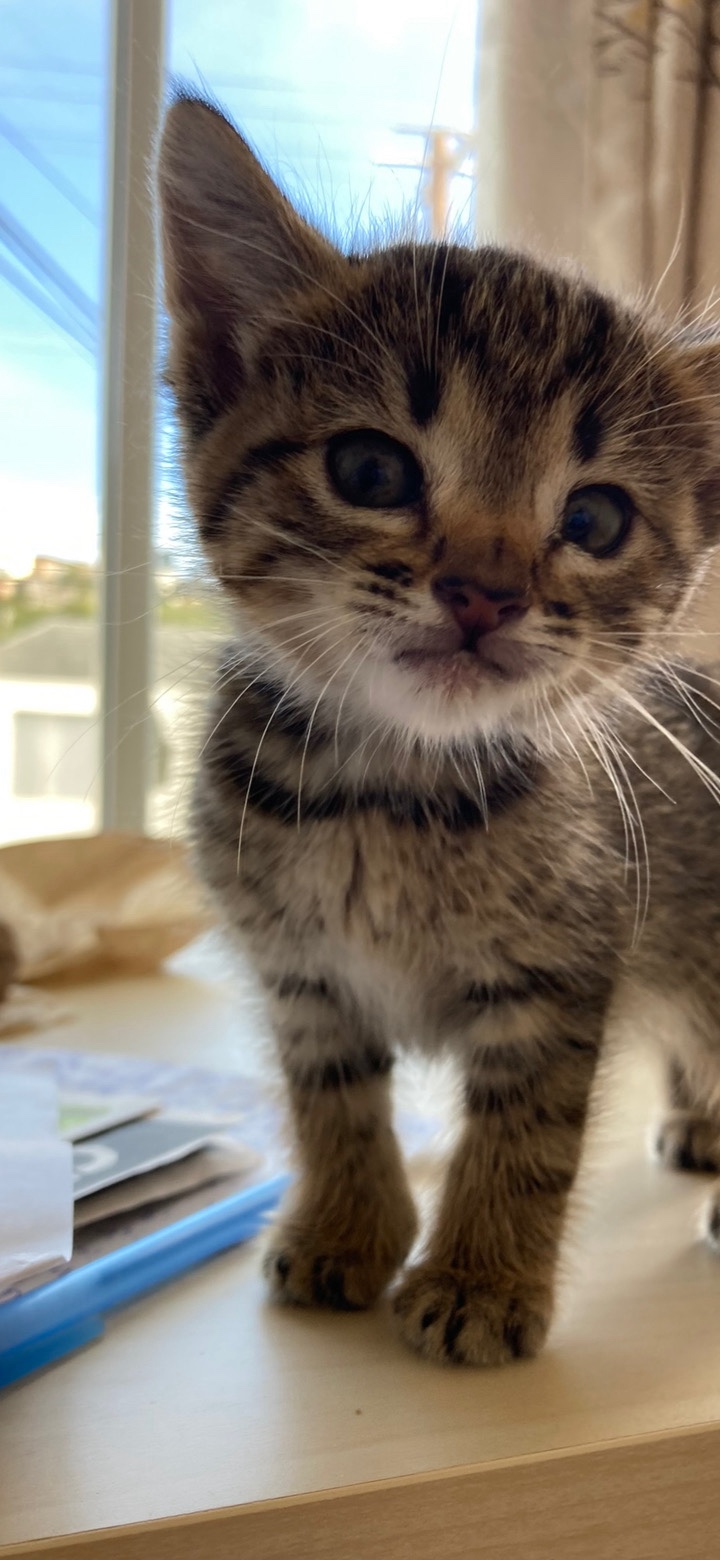
As pet owners, we want to understand what’s going on in our furry companion’s heads. But cats can often seem like mysterious creatures – one minute cuddling up for affection and the next vanished without a trace. Those of us living with cats know there’s more to their actions and moods than meets the eye. By learning to read feline body language and behaviors, we can gain valuable insight into what’s really motivating Fluffy or Mittens at any given moment.
As a life-long cat lover and owner of two energetic rescue kittens, I’ve picked up some tips over the years that have helped in “translating” what my cats might be trying to tell me. Cats use body language, vocalizations, scent marking, and other behaviors as their primary means of communication. If we pay close attention, their signals can provide clues about their current needs, moods, and interactions with the world.
Territorial Tendencies
One thing many owners discover is that cats are territorial animals. Even indoor cats consider their home and the areas around it as their domain. This instinct drives behaviors like scratching, marking with scent glands, and patrolling their territory. Scratching isn’t just about sharpening claws – it helps a cat deposit leftover skin cells and scent to communicate “this area belongs to me.” By providing appropriate scratching posts and surfaces, we can redirect this natural urge in an acceptable way.
Active at Dusk and Dawn
Cats are crepuscular, meaning most active around dawn and dusk. This predator schedule aligns with when many small prey animals are also moving about at these low-light transition times. Our kittens love playing hide and seek as the sun sets, right when their wild ancestors would be gearing up for a night of hunting. Understanding a cat’s innate circadian rhythms helps us know when they’ll be most engaged and energetic.
Learning to Read Their Facial Expressions and Body Postures
Paying attention to facial expressions, ears, tail position, posture, and whisker placement can provide clues about a cat’s present emotional state. Is the tail swishing slowly side to side or lashing rapidly? Are the ears forward in an attentive “V” shape or flattened to the side in an anxious expression? By decoding these visual cues over time, we gain insights into if kitty is feeling playful, angry, happy, or scared. Their facial language can avoid potential issues down the line if we understand what their “leave me alone” signals signify before they feel the need to escalate.
Strengthening the Bond Through Positive Reinforcement
Just as cats speak to each other with visual and olfactory cues, positive reinforcement is important for human-feline relationships. Gently petting or scratching enjoyable areas while making a “good kitty” comment can strengthen our bond when they exhibit calm, gentle behaviors. We avoid unwanted actions through selective ignoring or redirection rather than punishment. With time and consistency, our cats learn our mannerisms and signals, allowing for even deeper understanding between species.
I hope these brief glimpses into the feline mind and language have provided some helpful tips for reading your own cat’s behaviors and opening the channels of communication even further. While cats maintain an inherent independence and mystery, continuing to observe them closely with empathy, care and respect yields rich insights into their world and strengthens our relationships for years to come. Let me know if you have any other cat questions!

 WeLoveCats